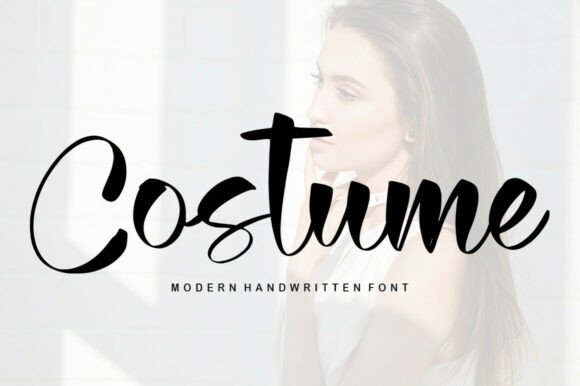
Costume Font: Charming & Elegant Handwritten Style
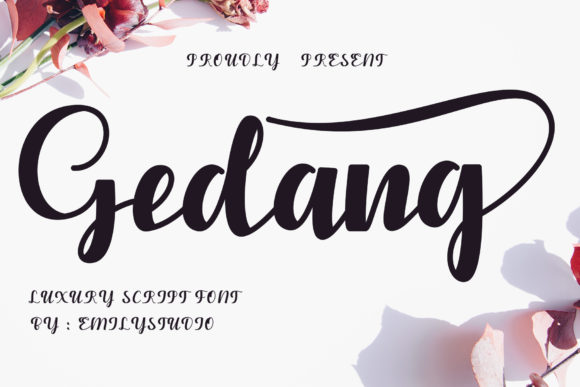
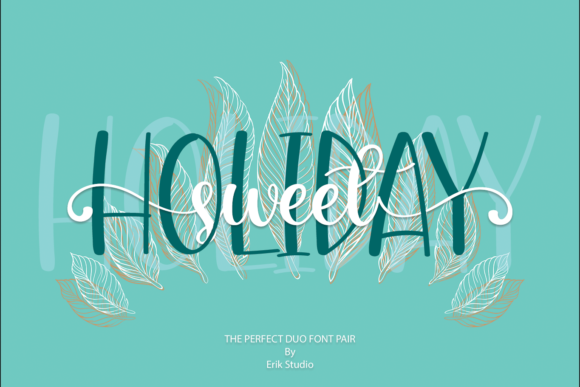
Costume is a graceful, hand-drawn typeface that balances personality with polish. It’s not just “cute” or “fancy”—it’s thoughtfully crafted to feel personal and intentional, like ink carefully laid down by a skilled hand. Its soft curves, subtle variations in stroke weight, and gentle rhythm give it warmth without sacrificing legibility or refinement.
What Makes Costume Stand Out?
Unlike many script fonts that lean heavily into flourish or formality, Costume walks a thoughtful middle path. Letters connect smoothly but never overwhelm; spacing feels generous, not cramped. The lowercase a, g, and y have quiet character—recognizable as handwritten, yet consistent enough for real-world use. Uppercase letters add presence without shouting, making them ideal for headlines or monograms.
This balance is why Costume feels equally charming and elegant. It doesn’t try to be everything at once—it simply does what it does well: bring sincerity and sophistication to text that needs to feel human-made.
Where Costume Fits Naturally
If you’ve ever hesitated to use a script font because it felt too delicate, too busy, or too hard to read at small sizes—you’ll appreciate how Costume bridges the gap. It works beautifully where authenticity matters most:
- Wedding stationery: From save-the-dates to ceremony programs, Costume adds intimacy without looking overly ornate.
- Thank-you cards and personal notes: Its warmth helps words land with sincerity—especially when printed on textured paper or paired with minimalist layouts.
- Greeting cards and quotes: Whether it’s a birthday message or an inspirational line shared on Instagram, Costume gives everyday language a gentle lift.
- Logos and business cards: Small creative businesses—bakers, florists, boutique studios—often choose Costume to reflect care, craft, and approachability.
- Digital touchpoints: Used sparingly in email headers, website banners, or social media graphics, it adds visual texture without slowing down loading times.
A Few Real-Life Examples
A local candle maker uses Costume for her logo and product labels—soft enough to suggest handmade care, strong enough to hold up beside clean sans-serif body text. A wedding planner includes it in digital mood boards and printed client welcome kits, reinforcing a cohesive, heartfelt brand voice. An educator designing printable classroom affirmations chooses Costume for quotes about kindness and growth—it feels encouraging, not childish.
Even bloggers and freelancers use it subtly: a portfolio site might feature Costume in a short tagline or testimonial pull quote, letting personality shine without compromising readability.
Why People Choose Costume (and When They Might Look Elsewhere)
Most people turn to Costume when they want to communicate care, creativity, or calm confidence—not flashiness or trendiness. It supports goals like building trust, inviting connection, or elevating something ordinary into something memorable.
That said, Costume isn’t always the best fit. If your project demands high contrast at tiny sizes—like a mobile app interface or dense legal disclaimer—it’s better to pair Costume with a clear, neutral companion font. Likewise, if your brand leans bold, industrial, or tech-forward, Costume’s gentle tone may not align—even if it’s beautifully drawn.
It also works best when used intentionally, not everywhere at once. A full paragraph in Costume can tire the eye. Think of it like a favorite scarf: lovely as an accent, less effective as outerwear from head to toe.
Getting Started with Confidence
You don’t need design experience to use Costume well. Start simple:
- Pick one key use: Try it first on a thank-you card or Instagram story headline—not your entire website.
- Pair it wisely: Combine with a friendly sans-serif (like Poppins, Lato, or Inter) for balance. Avoid other scripts or overly decorative fonts nearby.
- Test print and screen: What looks lovely on screen may soften too much on matte paper—or get lost in low-resolution displays. Print a test version before finalizing invites or business cards.
- Respect its rhythm: Costume thrives with breathing room. Give it generous margins, avoid tight tracking, and let line height support its natural flow.
Many beginners worry about licensing—but Costume is widely available through reputable font platforms with clear personal and commercial options. Just double-check the license covers your intended use (e.g., web embedding vs. physical products), and you’re set.
A Note on Authenticity
In a world full of AI-generated visuals and templated designs, fonts like Costume remind us how much feeling lives in the handmade. It doesn’t imitate perfection—it embraces the slight imperfection that makes writing feel alive. That’s part of why it resonates across ages and roles: whether you're 24 launching your first Etsy shop or 48 redesigning your school newsletter, Costume meets you where you are—with grace, not pretense.
It’s not about chasing trends. It’s about choosing a voice that feels true—and trusting that charm and elegance don’t have to compete. They can live side by side, quietly confident, exactly as Costume does.